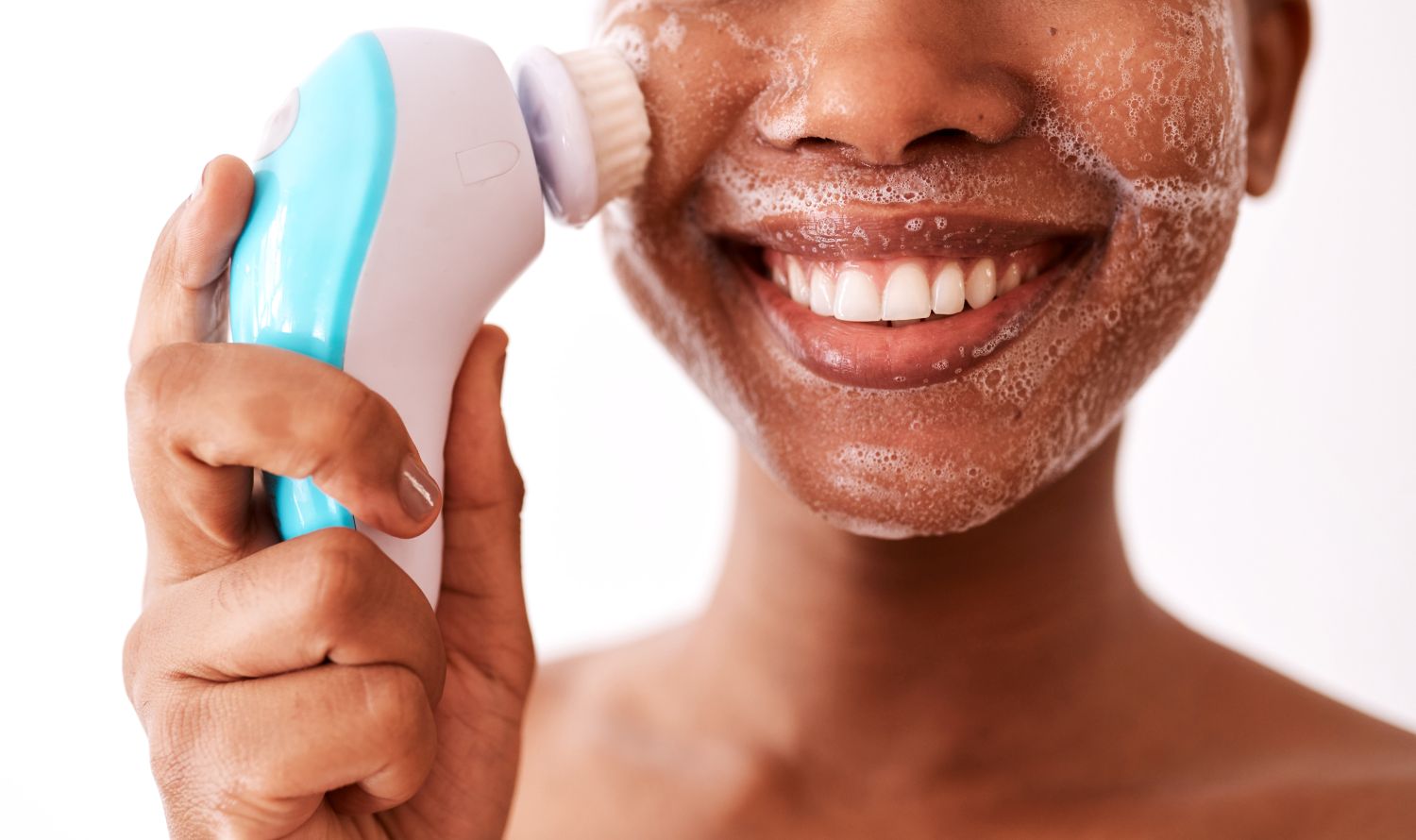
Cleansing the face is a fundamental step in any skincare routine; however, its importance is often overlooked by many individuals. Given the variety of cleansing methods available, including traditional soap and water, as well as contemporary options such as micellar water and double cleansing, selecting the appropriate method for one’s skin can be overwhelming. This article examines both classic and contemporary face cleansing techniques, discusses key factors to consider when choosing a method, and provides practical tips for achieving a clean and healthy complexion.
Why is Face Cleansing Important?
Face cleansing is a fundamental step in any skincare regimen and is essential for maintaining optimal skin health. It effectively removes impurities, excess oil, and makeup that can clog pores and potentially lead to skin concerns such as acne or irritation.
Proper face cleansing enhances the efficacy of subsequent skincare products by facilitating better absorption, which contributes to a more radiant complexion. Regardless of whether one has sensitive skin, oily skin, or a combination skin type, acknowledging the significance of face cleansing is vital for achieving a healthier and more balanced skin texture.
This practice not only prevents breakouts but also plays a significant role in enhancing skin hydration levels, which is crucial for all skin types, particularly those with dry or dehydrated complexions. Regular cleansing helps to maintain a fresh canvas, allowing products rich in hydration to penetrate deeply and function effectively. It promotes an overall improvement in radiance, providing distressed skin with a much-needed boost.
Individuals with oily skin benefit from the balance that cleansing provides, as it aids in controlling shine and preventing clogged pores. Conversely, those with sensitive skin can select gentle cleansers that preserve the skin’s natural barrier without stripping essential moisture.
Ultimately, incorporating consistent face cleansing into daily routines is vital for promoting both short-term relief and long-term skin vitality.
Traditional Face Cleansing Methods
Traditional face cleansing methods have served as a fundamental aspect of skincare for generations, underscoring the importance of maintaining cleanliness and pH balance in the skin.
These methods typically encompass straightforward approaches, such as the use of soap and water, which can effectively eliminate surface dirt and makeup. However, they may not sufficiently address deeper impurities or cater to the specific needs of various skin types.
Additionally, a comprehensive understanding of these traditional cleansing methods is essential for formulating an effective skincare routine that is tailored to individual skin concerns, whether the individual has dry skin, acne-prone skin, or sensitive skin.
Using Soap and Water
Utilizing soap and water for facial cleansing represents one of the most straightforward and accessible methods for effectively removing dirt and excess oil from the skin’s surface. For numerous individuals, particularly those with sensitive skin or specific skin concerns such as acne, the selection of an appropriate soap is of paramount importance; harsh soaps can compromise the skin barrier and result in irritation.
Consequently, it is essential to choose a mild, non-comedogenic soap that aligns with one’s skin type to maintain a balanced and healthy complexion.
To cleanse the face properly without causing harm, it is advisable to begin with lukewarm water, as hot water can strip the skin of its natural oils, while cold water may not adequately dissolve impurities. After wetting the skin, one should apply a gentle soap or a creamy cleanser suitable for dry skin using soft, circular motions, being careful to avoid the delicate eye area.
For those with oily or acne-prone skin, a foaming gel soap may prove more effective in addressing excess sebum.
Thorough rinsing with water is crucial to eliminate any residual soap, followed by gently patting the face dry with a clean towel. Incorporating this method into a daily skincare routine can substantially improve overall skin health and radiance.
Oil Cleansing Method
The oil cleansing method has gained significant popularity in recent years as an effective technique for achieving deep skin cleansing while also providing essential moisturization. This method employs plant-based oils that effectively attract and dissolve makeup, impurities, and excess sebum without stripping the skin of its natural oils.
For individuals with dry skin, oily skin, or combination skin, incorporating oil cleansing into their skincare regimen can enhance hydration and promote balanced moisture levels.
To perform the oil cleansing method effectively, it is advisable to begin with dry hands and a dry face. A few drops of oil should be warmed between the palms before being gently massaged onto the face in circular motions, allowing the oil to break down dirt and stubborn makeup effectively.
For optimal results, individuals with oily or acne-prone skin should consider selecting lightweight oils, such as jojoba or grapeseed oil, whereas olive or avocado oil may offer more benefits for those with dry or mature skin.
The emulsification process is vital to this technique; by adding water after the massage, the oil transforms into a milky texture that rinses away easily, thoroughly clearing the pores and leaving the skin feeling refreshed and clean, without any greasy residue.
New and Popular Face Cleansing Techniques
In the dynamic field of skincare, innovative face cleansing techniques have emerged, transforming the approach to cleansing and skin care.
Methods such as micellar water and double cleansing have become fundamental components of numerous skincare routines, providing effective solutions for makeup removal and deep cleansing while preserving the skin’s natural protective barrier.
A comprehensive understanding of these contemporary techniques is vital for addressing a variety of skin types and concerns, including those associated with acne-prone or sensitive skin, and can significantly enhance overall skin health.
Micellar Water
Micellar water has gained recognition as a popular and versatile cleansing solution, particularly effective for makeup removal and gentle cleansing across a range of skin types.
Formulated with tiny micelles that efficiently attract impurities and excess oil, it offers a convenient option for individuals seeking a quick yet thorough cleanse without the necessity of rinsing. This product is especially advantageous for those with sensitive skin, as it aids in maintaining the skin’s pH balance while ensuring effective cleansing.
This innovative formulation is suitable not only for sensitive skin but also for oily, combination, and dry skin types, making it an essential component of numerous skincare routines.
Its ability to remove makeup and debris without the need for harsh scrubbing promotes a gentler approach to cleansing, thereby minimizing the risk of irritation. Micellar water can also function as an excellent initial step in a double cleansing regimen, effectively preparing the skin for a deeper cleanse with a foaming cleanser afterward.
By employing this technique, individuals can achieve a cleaner complexion while enhancing overall skin health and radiance.
Double Cleansing
Double cleansing has emerged as a highly regarded skincare method that encompasses two distinct cleansing steps: an initial application of an oil-based cleanser followed by a water-based cleanser. This dual approach ensures a comprehensive cleanse that supports optimal skin health.
It effectively eliminates makeup, sunscreen, and impurities that a single cleanser may overlook, rendering it particularly advantageous for individuals with oily or acne-prone skin. By integrating double cleansing into one’s routine, individuals can achieve a deeper cleanse, leading to improved skin texture and enhanced hydration.
The two-step process commences with the oil-based cleanser, which gently dissolves makeup and excess sebum, facilitating the effective removal of oily residues. Subsequently, the water-based cleanser works to eliminate any remaining impurities.
For individuals with dry or sensitive skin, the double cleansing method can be adjusted by utilizing gentler formulas, thereby promoting balance without compromising moisture levels.
This practice not only enhances skin clarity but also prepares the skin for improved absorption of subsequent skincare products, resulting in a noticeable enhancement in the overall appearance and health of the skin.
Factors to Consider When Choosing a Cleansing Method
Selecting the appropriate cleansing method is essential for the maintenance of healthy skin, requiring careful consideration of several factors to ensure it aligns with individual needs.
Key factors include an analysis of skin type, identification of specific skin concerns, and awareness of any potential ingredient allergies. These elements are critical in determining the most effective cleansing approach.
Regardless of whether one has oily, dry, or sensitive skin, a thorough understanding of these factors will facilitate the selection of the optimal cleansing technique for an effective skincare regimen.
Skin Type and Concerns
Understanding one’s skin type and specific concerns is crucial in selecting the appropriate facial cleansing method, as different skin types respond distinctly to various products.
For instance, individuals with oily skin may find that gel cleansers and exfoliation techniques are beneficial in preventing breakouts, while those with dry skin may prefer cream cleansers that offer hydration.
Conducting a thorough skin type analysis enables the customization of a cleansing routine to effectively address issues such as irritation, sensitivity, and excess oil production.
Combination skin presents its own challenges; utilizing a gentle, balancing cleanser that accommodates both oily and dry areas can yield significant benefits.
Conversely, sensitive skin necessitates a more specialized approach, often thriving with fragrance-free options that minimize the risk of irritation.
A comprehensive understanding of the nuances within various skin conditions, including acne-prone, dehydrated, or mature skin, allows individuals to select products enriched with the appropriate active ingredients, such as salicylic acid for acne control or hyaluronic acid for moisture retention.
By aligning cleansing techniques with specific skin concerns, individuals can achieve healthier, more radiant skin.
Ingredients and Allergies
The selection of ingredients in face cleansing products has a significant impact on skin health, particularly for individuals with allergies or sensitivities to specific substances. Understanding the function of various cleansing agents, including natural and botanical extracts, is essential in guiding product selection to minimize the risk of irritation.
For individuals with sensitive skin, choosing gentle formulations that contain soothing agents can help prevent inflammation and enhance overall skin health.
Many common allergens, such as fragrances, certain alcohols, and sulfates, can disrupt the skin barrier, resulting in reactions that range from mild redness to severe breakouts. By being informed about these ingredients, consumers can better protect their skin and avoid products that may worsen conditions such as eczema or rosacea.
Opting for hypoallergenic products can be particularly advantageous, as these formulations are designed to reduce the likelihood of allergic reactions, promoting a more balanced and radiant appearance.
Ultimately, awareness of ingredients is not merely a matter of personal preference; it is vital for maintaining optimal skin health.
Tips for Effective Face Cleansing
To attain optimal results from a facial cleansing routine, it is essential to implement effective techniques and adjust the frequency of cleansing sessions according to individual skin types.
Proper technique involves employing gentle motions and ensuring thorough coverage to adequately cleanse all areas of the face. The frequency of cleansing should also be tailored to address specific skin concerns, such as acne or dryness.
Establishing a consistent skincare routine that incorporates these elements is vital for enhancing overall skin health and appearance.
Proper Technique and Frequency
Mastering the appropriate technique for facial cleansing is essential to ensure the effective removal of impurities while safeguarding the integrity of the skin. Whether one chooses a foam cleanser, gel cleanser, or another formulation, employing gentle circular motions along with thorough rinsing can significantly enhance the efficacy of the cleansing routine.
Adjusting the frequency of cleansing according to one’s skin type-such as cleansing twice daily for oily skin or once daily for dry skin-can greatly influence overall skin health.
It is also imperative to take specific skin concerns into account, such as acne or sensitivity. For individuals experiencing acne, a specialized cleanser containing salicylic acid may prove beneficial, whereas those with sensitive skin should prioritize fragrance-free options to mitigate the risk of irritation.
Incorporating a comprehensive cleansing regimen in the evening can effectively eliminate makeup, environmental pollutants, and excess oils that accumulate throughout the day.
Ultimately, understanding one’s unique skin type and its specific needs will facilitate the development of a more effective, personalized cleansing routine that fosters a clear and radiant complexion.